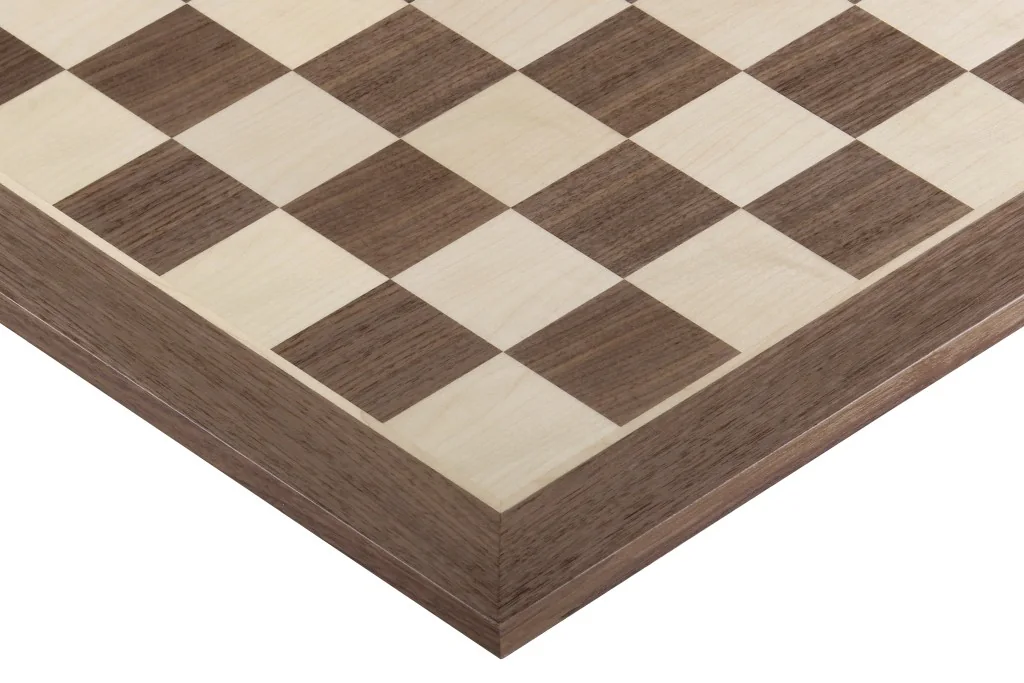
Place the board with a light square in the bottom right corner. Put the rooks in the corners, then the knights, then the bishops. The queen goes on her own colour, the king beside her. The pawns go on the rank in front. White starts.
32
Pieces on the board: 16 per player.
Light on the right
There's always a light square in the bottom right corner.
Place the pieces
0 / 6
The board
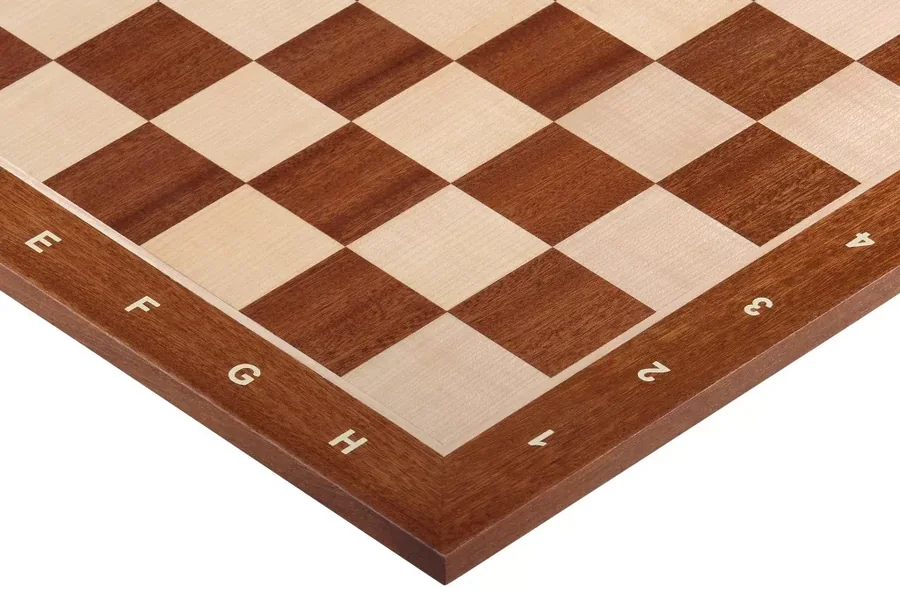
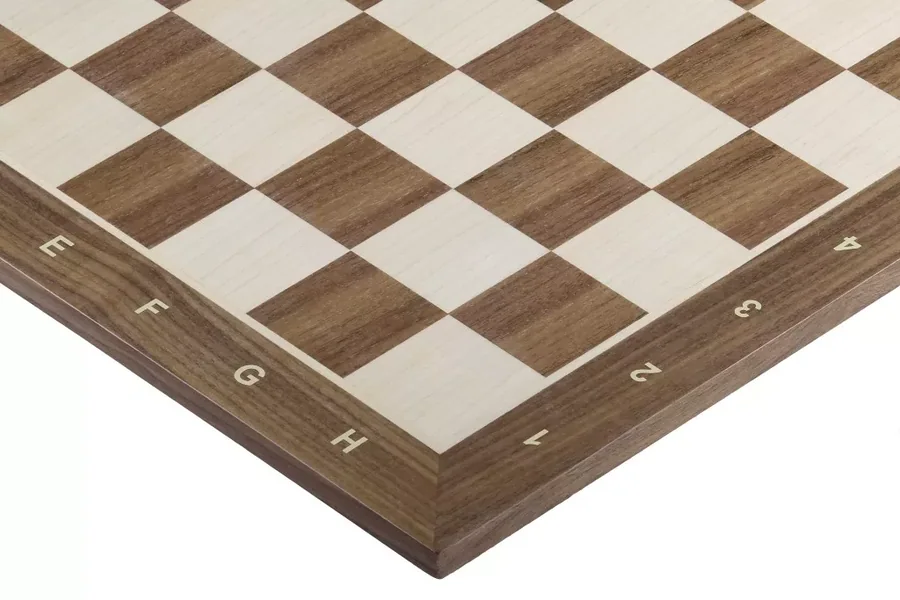
Place the board so that each player has a light square in the bottom right corner. Memory aid: light on the right. If there are letters and numbers along the border, rank 1 is on White's side.
Tip: use the arrow keys.
Three memory aids
- Light on the right: each player has a light square in the bottom right corner.
- The queen on her own colour: the white queen on light (d1), the black queen on dark (d8).
- Mirror image: every piece stands directly opposite the same piece of the opponent. King facing king, queen facing queen.
Common mistakes
- The board turned a quarter. Then there's a dark square in the bottom right corner. Turn the board and the rest follows.
- King and queen swapped. Then the queens no longer face each other. Check: the white queen stands on a light square.
- Bishop and knight swapped. The knight stands next to the rook, the bishop next to the king or queen.
Letters and numbers along the border
Many boards have coordinates: the letters a to h along the bottom and the numbers 1 to 8 along the side. That way every square has a name, such as e4. White is on ranks 1 and 2, Black on ranks 7 and 8. With coordinates you learn to read moves faster and can record games, as in our guide to the Italian Game.
And then: who starts?
White always makes the first move. Draw lots to decide who gets White: one player hides a white and a black pawn in their hands, the other picks a hand. If you play several games, swap colours each time after that. How the pieces move is explained in the rules of chess.
Ready to play?
The board is set up correctly. Now play your first game against an easy computer, with a coach looking on.